
Cockfight – Exploring the Culture, Controversies, and Traditions Behind the Historic Sport
Cockfight, an ancient blood sport involving roosters battling each other, has a long and complex history that intertwines culture, tradition, and modern-day ethics. This article delves deep into the multifaceted world of cockfight, exploring its cultural significance, the ongoing controversy surrounding it, and how tradition shapes its relevance in today’s society.
The Cultural Significance of Cockfight in Society
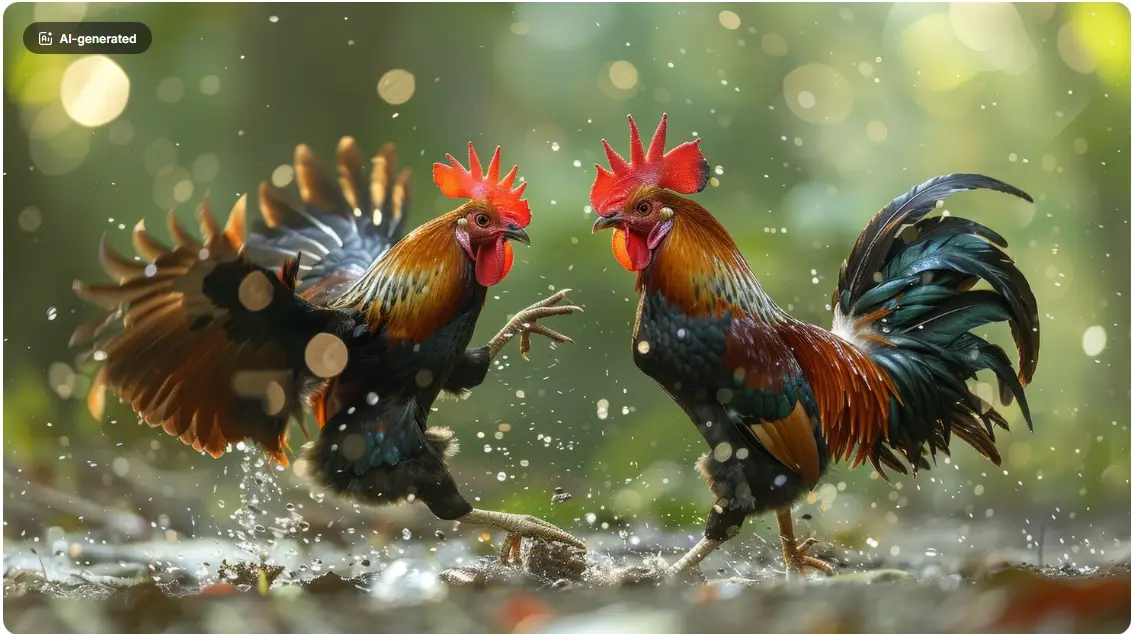
Cockfight is not just a form of entertainment but a cultural phenomenon with deep-rooted historical and social connections. To understand why it remains prominent in certain societies, it is important to explore its cultural background and symbolic meanings.
Cockfighting has been practiced for thousands of years, with evidence pointing to ancient civilizations such as those in Southeast Asia, India, and Central America where it held ceremonial and social importance. This noble tradition has persisted through generations, often linking communal identity, masculinity, and social gatherings.
Ritualistic and Social Importance
Cockfights symbolize more than just a sporting event; they act as ritualistic gatherings that bind communities. In many cultures, cockfighting is associated with festivities, religious observances, and rites of passage. These events offer opportunities for socialization, collective celebration, and reaffirmation of cultural values.
In some communities, the outcome of a cockfight can influence social standings, with victorious roosters and their owners gaining prestige. This highlights how intertwined the sport is with social dynamics, allowing owners to showcase their prowess and status.
Symbolic Meaning of the Rooster
The rooster in many cultures is a symbol of bravery, virility, and alertness. Its crowing has traditionally been linked to the heralding of a new day, symbolizing new beginnings and watchfulness. These symbolic attributes are often reflected in the cockfight arena, where the rooster is seen as embodying the spirit of resilience and competition.
This symbolism enhances the cultural value of the sport, reinforcing notions of courage and honor that are highly revered in various traditions.
Cockfight as a Cultural Identity Marker
For many societies, participating in or spectating cockfights is a way to connect with ancestral heritage. The sport serves as a living museum of tradition, preserving old practices and transmitting values across generations. This cultural continuity is vital in communities where indigenous cultures seek to reaffirm their identity amidst globalization.
By maintaining cockfighting traditions, these communities resist the erosion of their customs and continue to foster a sense of belonging and pride.
Ethical Controversies and Legal Status of Cockfight
Despite its cultural significance, cockfight faces harsh criticism due to concerns about animal welfare and morality. Understanding the ethical debates and legal frameworks surrounding the sport provides insight into why it is banned or regulated in many parts of the world.
Cockfighting involves roosters fighting to the death or serious injury, often with sharp blades attached to their legs. This inherent violence raises serious ethical questions about animal cruelty and the justification of such practices in modern society.
Animal Welfare Concerns
The primary criticism against cockfighting centers on the mistreatment and exploitation of animals for entertainment. Animal rights activists argue that subjecting birds to violent confrontations for human amusement is inherently cruel, causing needless suffering and pain.
This viewpoint emphasizes a growing societal awareness and empathy towards animals, advocating for humane treatment and opposing blood sports. It challenges traditional justifications and calls for reforms or outright bans on cockfighting.
Legal Regulations and Bans Globally
The legality of cockfighting varies significantly worldwide. In many Western countries, including most of the United States and much of Europe, cockfighting is illegal due to animal cruelty laws. These laws impose strict penalties to deter the practice.
Conversely, in parts of Asia, Latin America, and the Caribbean, cockfighting remains legal and culturally embedded, often regulated through licensing or restricted to specific events. Legal frameworks thus reflect the tension between cultural preservation and animal rights advocacy.
The Role of Government and Society in Shaping Legal Outcomes
Governments play a crucial role in balancing tradition and animal welfare by drafting and enforcing legislation. Public opinion, influenced by cultural values, ethics, and activism, often drives these legal changes.
Some regions have seen grassroots movements aiming to modernize cockfighting practices through humane regulations, while others continue to push for complete bans. This ongoing dialogue signifies the evolving relationship society has with traditional sports involving animals.
Training and Breeding Techniques in Cockfighting
The preparation involved in cockfighting extends beyond the fight itself. Owners invest significant time and expertise in selecting, breeding, and training roosters to ensure maximum performance in the ring.
This section explores the intricacies of breeding for strength, agility, and temperament, alongside training methods tailored to hone fighting skills.
Selective Breeding for Competitive Edge
Breeders carefully select roosters with traits such as aggression, endurance, and physical prowess to produce offspring capable of excelling in the cockfighting arena. This selective breeding mirrors principles found in other animal sports, where genetics play a crucial role in success.
Through generations of refinement, breeders develop bloodlines renowned for fighting ability, often passing down prized birds as symbols of prestige. This selective process creates a complex, competitive environment focused on producing the ultimate fighting rooster.
Training Practices and Conditioning
Cockfighting roosters undergo rigorous training programs to build stamina, agility, and fighting instincts. Training often includes controlled sparring matches, strength conditioning, and strategic fighting exercises to improve their performance.
Owners invest in geographic and dietary optimization as well, providing specialized nutrition and environments intended to maximize the birds’ physical condition. This meticulous care underscores the seriousness and dedication embedded within the sport.
The Relationship Between Trainer and Rooster
The bond between the cockfighting trainer and their birds is often deeply personal and strategic. Successful trainers develop an understanding of their rooster’s behavior, temperament, and fighting style, tailoring training plans accordingly.
This relationship can be compared to that of a coach and athlete in human sports, where trust, communication, and expertise dictate competitive outcomes. The attention and care devoted highlight the cultural importance of the sport beyond the fights themselves.
Modern Perspectives – Cockfight in Contemporary Society
In an era increasingly focused on animal rights and ethical entertainment, cockfighting stands at a crossroads. This section examines how the sport adapts to modern cultural shifts, technological influences, and international viewpoints.
The balancing act between preserving tradition and embracing modern values creates unique challenges and opportunities for the continuation of cockfighting.
Technological Innovations and Broadcasting
Technology has transformed how cockfights are observed and conducted. Live streaming and digital platforms have made cockfighting accessible globally, increasing its audience but also amplifying scrutiny.
This exposure forces traditionalists to reassess their practices in light of broader ethical considerations. Conversely, technology provides opportunities for regulation, transparency, and education that could help reshape the sport’s image.
Cultural Preservation Versus Animal Rights Movements
Cockfight supporters often emphasize cultural heritage, arguing that banning the sport erases important traditions. Conversely, animal rights advocates highlight cruelty, pushing for societal change regardless of cultural context.
This conflict reflects broader debates about globalization, indigenous rights, and universal ethics. Finding compromises, such as more humane rules or alternative cultural expressions, may shape the future of cockfighting.
The Role of International Organizations and Policies
Organizations like the World Animal Protection and local governments influence cockfighting policies by promoting animal welfare standards. International opinions sometimes clash with local customs, complicating enforcement.
The evolving global dialogue helps stimulate awareness and reform while also respecting cultural differences. This dynamic interaction underscores the complexities of sustaining traditional sport like cockfighting in a globalized world.
Conclusion
Cockfight at Slvip is a multifaceted tradition deeply embedded in many cultures, symbolizing courage, social identity, and communal bonds. However, the sport’s inherent violence against animals brings it into ethical conflict with modern values emphasizing humane treatment. Countries vary widely in their legal approaches, reflecting divergent cultural attitudes and animal welfare priorities. Meanwhile, dedicated trainers and breeders continue to refine cockfighting as a serious sport, highlighting its enduring cultural significance. As technology and international discourse evolve, cockfighting faces ongoing challenges in balancing tradition with contemporary ethics, shaping its future on the global stage.